Table of Contents
Walk down any commercial street and count how long it takes to form an opinion about a building. Three seconds. Maybe less. Long before anyone reads a sign, checks a website, or steps through the door, the facade branding has already made the pitch — or lost it.
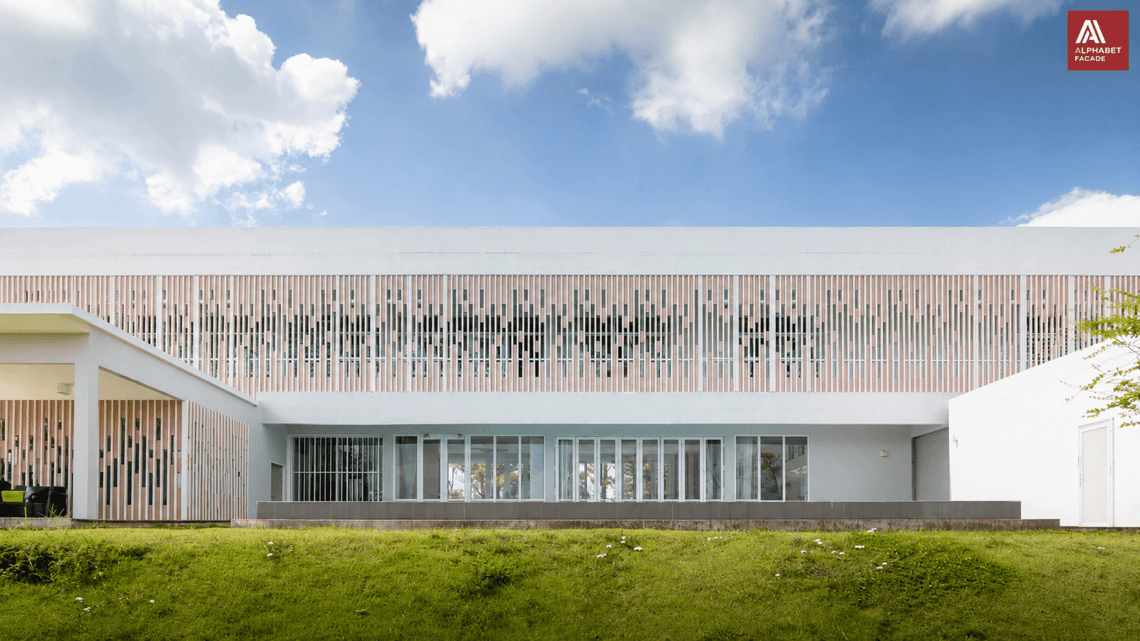
That's the part most businesses miss. A facade isn't cladding. It's not "the outside part" that comes after the real design work is done. It's Identity, delivered at building scale, running 24 hours a day without a marketing budget behind it. Whether a business plans for it or not, that's facade branding already at work.
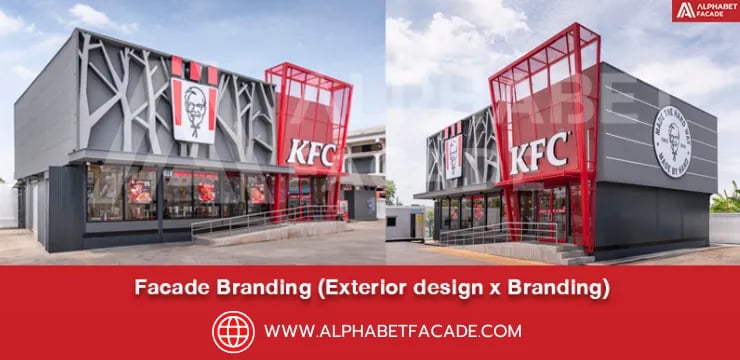
Facade branding is the practice of designing a building's exterior — material, form, lighting, proportion, texture — as a deliberate extension of what the business inside stands for. A clinic that wants to signal precision and calm needs a very different facade language than a retail flagship that wants to signal energy and accessibility. Both can sit in the same budget category, yet call for a completely different Solution.
This isn't a cosmetic layer applied at the end of a project. Done properly, it starts at the same table as the structural engineer and the architect — because a design that looks great but can't actually stand up to real engineering isn't a design. It's a rendering.
The Benefits of Facade Branding Most Businesses Overlook
A facade designed with intention doesn't just look good — it works on the business in several dimensions at once:
Building-scale first impression. A facade is visible from the street, from a distance, at all hours — reach that no social ad can buy, and one that never goes offline.
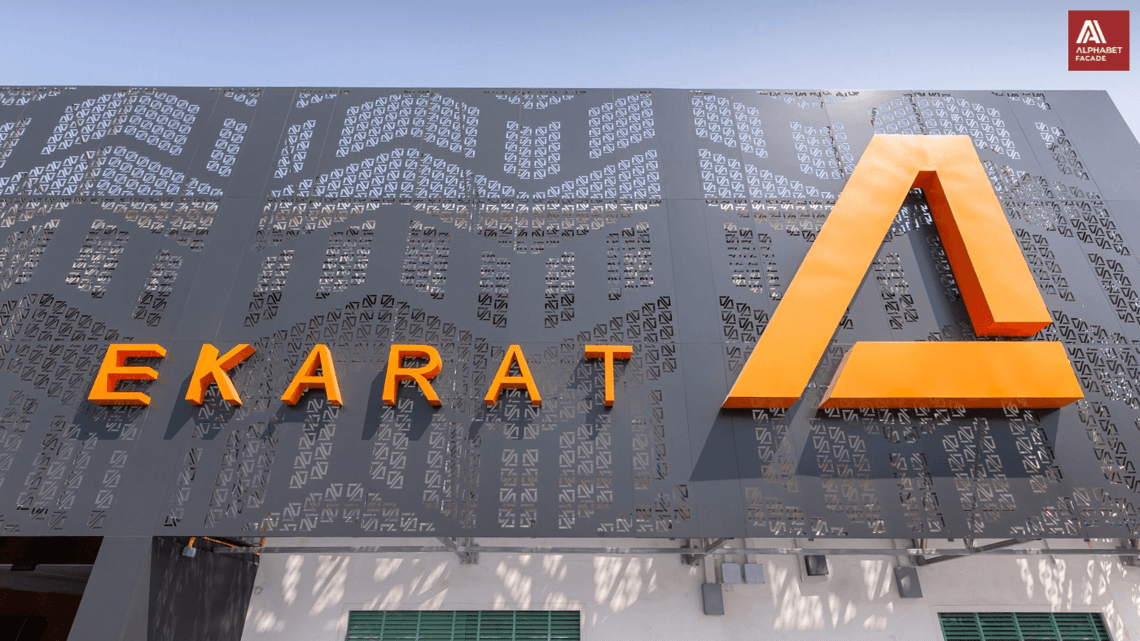
Silent brand recognition. A facade with a clear Identity lets customers recognize the building without relying on signage or a logo. The more people pass it, the more it sticks.
Long-term asset value. A distinctive, well-executed facade holds and increases property value over time far more reliably than an interior fit-out, because it's what appraisers, tenants, and buyers see first.
A signal of credibility. For B2B decision-makers especially, a facade that looks engineered, not just decorated, tells prospective clients something about how the business inside operates.
Lower lifetime maintenance cost. A facade built on the right materials and systems from the start weathers use and time far better, cutting the upkeep costs that get overlooked at the budgeting stage.
Differentiation on a street full of lookalikes. In a district lined with similar buildings, a facade with a clear Identity is the one thing that gets remembered — while the rest get walked past.
None of that shows up on a mood board. It shows up in how a business is perceived and valued, years later.
Facade Branding Only Works If the Building Can Actually Be Built
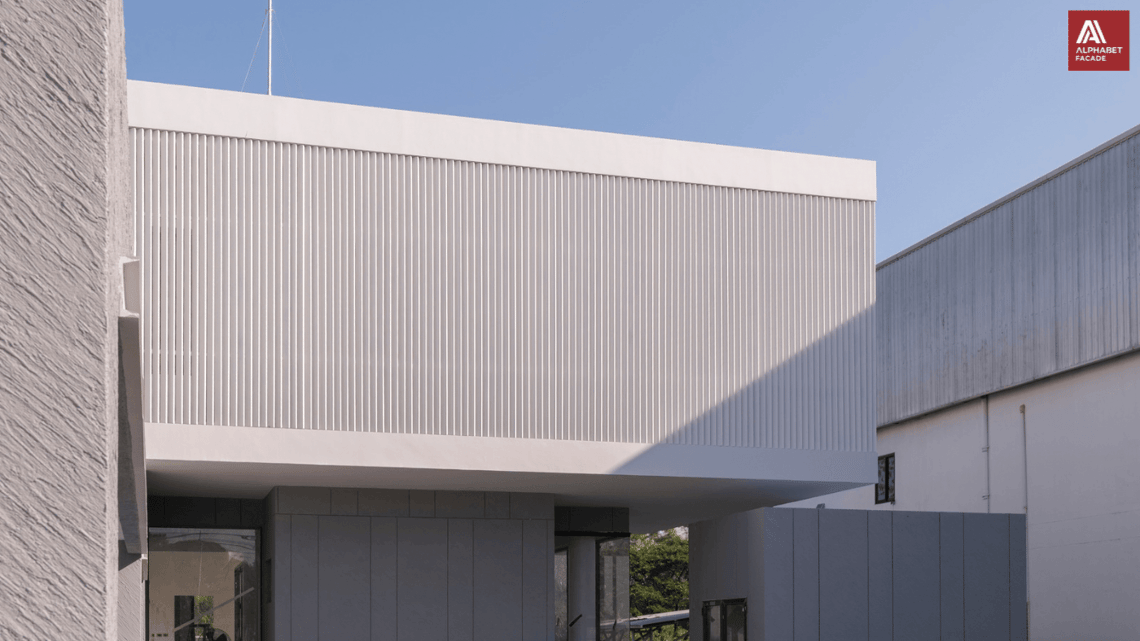
Every benefit above rests on one condition: the facade has to hold up on constructability — genuinely buildable, not just beautiful in a rendering. A concept that looks extraordinary in a presentation but can't survive contact with real engineering — or becomes brutally expensive once it does — will never deliver on brand recognition or asset value. The project runs late, the budget balloons, or the design gets stripped down until it loses the identity it was built to express.
That's why strong facade branding has to come from a team that considers image and buildability at the same time — architect, structural engineer, and installation team working together from the concept stage, not handing the design off in stages and discovering the problems on site.
The Question Worth Sitting With
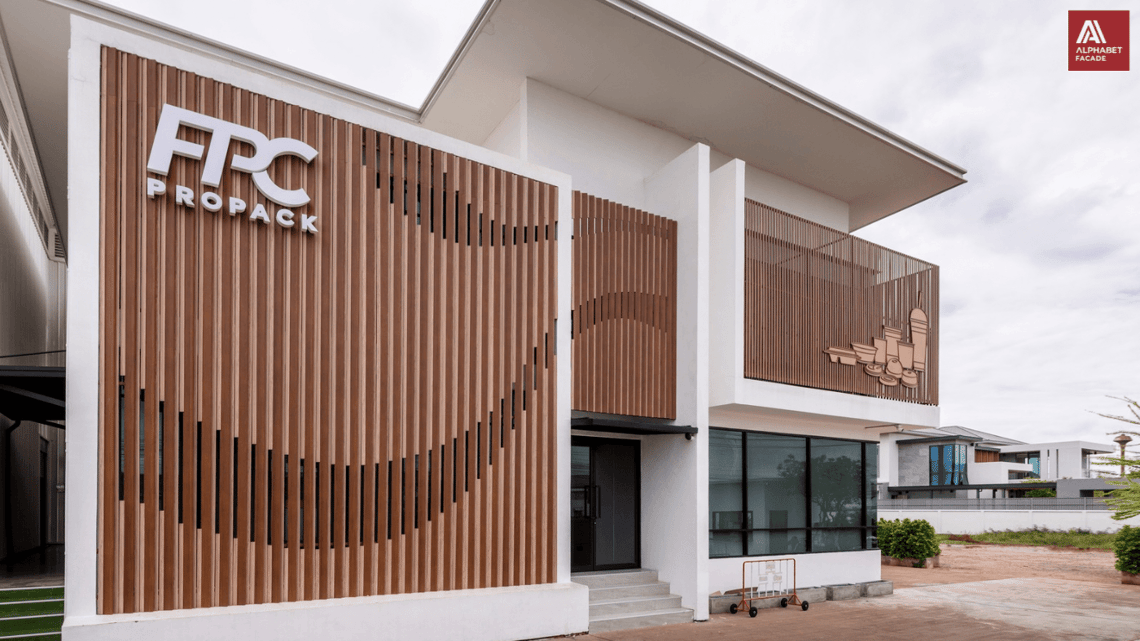
If a stranger stood across the street from your building right now, with no signage, no logo, no name — what would they assume your business does, and how well it does it?
That answer is your facade branding. The only question is whether you designed it on purpose.
In Short
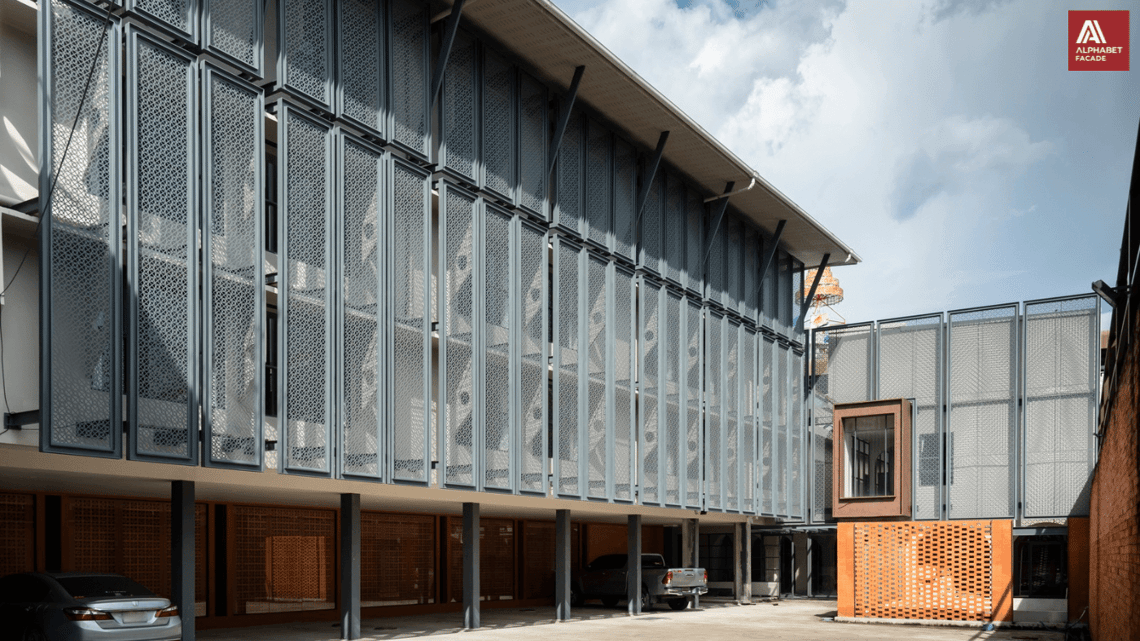
A good facade branding doesn't just look the part — it works for your brand around the clock. It builds recognition, raises asset value, and signals credibility to B2B clients. And every one of those benefits only materializes if the facade is truly buildable from the design stage, not just beautiful on screen.
If you're planning a new facade, or reconsidering an existing one that isn't pulling its weight on image or performance, bring in Alphabet Facade's engineers, architects, and installation team from day one. Message the team directly at ALPHABET FACADE to start the conversation.
FAQs
Q: Is facade branding only relevant for retail or hospitality buildings?
A: No. Offices, clinics, showrooms, and industrial buildings all carry a facade — and all of them are read by someone before a word is spoken. The stakes differ, but the principle doesn't.
Q: Does a stronger facade concept always cost more?
A: Not necessarily. Some of the biggest cost increases come from re-engineering a design after it's approved, not from the original concept. Involving engineering and installation early tends to reduce surprises, not add expense.
Q: Who should be involved in a facade branding decision — just the architect?
A: Ideally, no. The strongest outcomes come from architect, structural engineer, and installation team reviewing the concept together, before it's locked in — because each side sees constraints the others don't.
Q: Can facade branding be applied to an existing building, or only to new construction?
A: Yes — most facade branding work is actually retrofit, not new build. An existing facade can often be reclad, resurfaced, or partially rebuilt without touching the building’s core structure, as long as that structure can support the new system.
Q: How is facade branding different from just adding signage or a graphic wrap?
A: Signage and wraps sit on top of a facade; branding is built into it. A wrap can be pulled down overnight, and the building goes back to looking like anything else on the street. A facade shaped around the brand keeps communicating even without a sign at all.
Q: How long does a facade branding project usually take, from concept to installation?
A: It depends more on material lead time and how early engineering gets involved than on the design itself. Projects that bring structural engineering and installation planning in from the concept stage tend to move faster overall, simply because there’s less redesign happening after approval.